Contents
Scroll to:
https://doi.org/10.17073/0368-0797-2026-3-231-241
Scroll to:
The article discusses the issues related to the process of continuous accelerated modernization of the Kuznetsk Metallurgical Plant (KMK) during the Great Patriotic War. The stages and methods of production transformation from obtaining metal for the civilian industry to the mass production of armored metal are described. The evacuation of industrial enterprises’ equipment from the south-east of the country to the south of Western Siberia was a purposeful process for the preservation and development of defense production in the most difficult conditions of the first military year. The commissioning of new evacuated facilities is shown as a complex process of adaptation to improve the quality and volume of production. Based on the analysis of scientific literature and periodicals, the paper describes the measures to continuously improve the quality of steel and military products, and reduce production time. The authors clarified the specifics of new production technologies and the contribution of individual KMK shops to the development of the country’s defense complex: rail-beam, blast furnace, by-product coke, tool, medium-section and others. The paper describes the problems of productivity growth before the turning point in the Great Patriotic War in 1942, when the resource base of the enterprise needed significant correction. Attention is paid to solving the personnel issue in conditions of a shortage of highly qualified personnel due to an increase in the proportion of women and youth at the enterprise. The authors noted the contribution of production scientists and engineers in solving complex technical problems. The development of the Stalin Kuznetsk Metallurgical Plant is viewed through the prism of the contribution of the whole country and the people of the USSR to the common cause of victory over Nazi Germany and militaristic Japan, and the special role of patriotic education of workers.
Tresvyatskii L.A., Protopopov E.V., Khudoleev A.N., Khomicheva V.E. Contribution of the Kuznetsk Metallurgical Plant to the USSR defense complex in 1941 – 1945: Analysis of development and modernization. Izvestiya. Ferrous Metallurgy. 2026;69(3):231-241. https://doi.org/10.17073/0368-0797-2026-3-231-241
Introduction
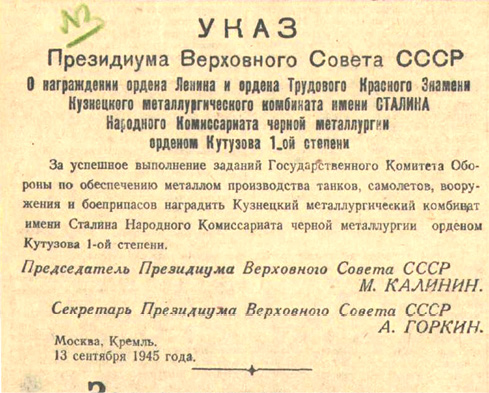
On October 14, 2025, a monument to the renowned nineteenth-century Russian military commander Mikhail I. Kutuzov was officially unveiled in Novokuznetsk, Kuzbass. The unveiling formed part of the nationwide historical and patriotic forum Mikhail Kutuzov: A History of Great Victories, attended by Presidential Aide Vladimir R. Medinskii. One of the reasons for erecting the monument was the historic award of the Kutuzov Order of the 1st degree (Fig. 1), to the Kuznetsk Metallurgical Plant in March 1945 for its contribution during the Great Patriotic War and to the defeat of Japan [1]. This was one of the three highest military decorations received by KMK [2]. In September 1945, by decree of the Presidium of the USSR Supreme Soviet, the Kuznetsk Metallurgical Plant was awarded the Order of the Red Banner of Labor for successfully fulfilling the assignments of the State Defense Committee (GKO) to supply the military industry with high-quality metal. Earlier, in April 1943, the plant had been awarded the Order of Lenin for exemplary fulfillment of the GKO assignments related to supplying the military industry [3]. These well-deserved awards vividly reflected the extraordinary labor effort of Siberian metallurgists and the entire Soviet people during the Great Patriotic War [4].
Fig. 1. Decree of the Presidium of the USSR Supreme Soviet |
Historical overview
The initial stage of the USSR’s resistance to the onslaught of European Nazism was tragic and extremely difficult. In 1941, the Workers’ and Peasants’ Red Army (RKKA) was forced to retreat and leave substantial territories of the country under occupation. The implementation of the plan to evacuate major industrial enterprises to the east, as well as the reconstruction and conversion of the metallurgical industry to wartime production, therefore became particularly important. In August 1941, the People’s Commissariat of Ferrous Metallurgy decided that several major plants, including a ferroalloy plant, Dneprospetsstal’, and other enterprises located in Ukraine in the southwest of the country, were to be evacuated to Stalinsk. This decision was taken to preserve their production capacities. To ensure the successful commissioning of the evacuated equipment under the new conditions, the industrial site and resources of KMK in Stalinsk, now Novokuznetsk, Novosibirsk Region, were to be used. September and October 1941 became a period of accelerated evacuation of industrial enterprises located in the Donbas. Up to 2,000 railcars carrying equipment were dispatched from the Karl Liebknecht Dneprospetsstal’ Plant alone. The main production shops of the Debaltsevo Machine-Building Plant and the Slavyansk and Sergovsk foundry and mechanical plants were successfully evacuated, together with some of the equipment from the Mariupol and Novomakeevka coke and by-product plants. In total, more than 4,000 railcars carrying evacuated equipment were dispatched to the Stalinsk railway station between August and October 1941. The evacuation of such a large number of plants from southern Russia required extensive work to prepare and accommodate the equipment at the new sites.
In mid-August 1941, in connection with the evacuation of metallurgical enterprises from Ukraine, the People’s Commissariat of Ferrous Metallurgy instructed the management of the plants designated to receive the evacuated equipment to develop measures for its placement and installation. The KMK management was given ten days to complete this task. However, because the industrial site had limited available space and design documentation was virtually unavailable, resolving these issues became a complex and multifaceted problem. In their search for information, employees of the KMK Technical Department made extensive use of previously published materials [5], which contained approximate data on the dimensions of the Dneprospetsstal’ shops and those of other enterprises. This enabled the plant engineers to begin developing and discussing various options for accommodating the evacuated equipment. In September 1941, KMK Director R.V. Belan submitted a preliminary layout plan for the equipment from the evacuated plants to the People’s Commissariat. The government authorities set extremely tight deadlines for the installation and restoration of the evacuated enterprises, which had to be accommodated and brought into production as quickly as possible. The evacuation and restoration of production capacities were exceptionally difficult tasks. They required not only technical expertise but also highly efficient organization and consideration of numerous production factors, ranging from the proper transportation of equipment to its installation, adjustment, and commissioning at the new sites. Under wartime conditions and amid shortages of labor and materials, this became a major challenge for everyone involved.
In late 1941 and early 1942, five mechanical shops were built and commissioned at the KMK industrial site using equipment evacuated from plants in Slavyansk, Debaltsevo, and other Ukrainian enterprises. At the same time, work began on commissioning the steelmaking and rolling shops of Dneprospetsstal’, while the fifth coke-oven battery was also under construction. The equipment arriving at the plant was unloaded at the storage facilities relatively quickly, which was particularly important as winter approached. The plant personnel had to promptly assess the condition of the incoming shipments, determine where the various items of equipment were located, and assemble them into complete sets whenever possible. In December 1941, excavation work began for the foundations of the steelmaking units. Teams of evacuated specialists were formed to perform this work in close cooperation with the construction workers. These teams included engineers such as M.G. Chudaevich, M.I. Ryvkin, M.A. Lyudkovskii, and others. The installation of the incoming equipment involved approximately 1.3 mln m3 of excavation and 120 thsd m3 of concrete, as well as the erection of more than 50 thsd t of structural steel.
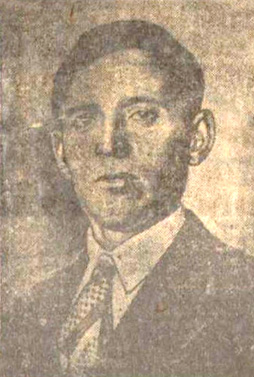
Fig. 2. Overachiever of the wartime D.P. Belikov, 1942 |
In November 1941, the State Defense Committee (GKO) adopted a special resolution concerning the restoration of production at ferrous metallurgy enterprises evacuated to the Urals and Siberia1. A schedule for commissioning the new production facilities was subsequently approved, marking an important step in the development of the defense industry. KMK was expected to commission an electric steelmaking shop equipped with machinery evacuated from Dneprospetsstal’ as early as the first quarter of 1942. Most of the workforce consisted of newcomers who had joined the construction project during the first months of the war. They included graduates of factory training schools (FZO schools) and individuals mobilized from among those who were not subject to military conscription. The workforce had to be trained rapidly, while the shops had to be brought into operation at a high technological level – a task that had seemed virtually impossible before the war. The best construction workers from the legendary Kuznetskstroi project [6], who possessed extensive experience and the necessary expertise, were recruited to accomplish this task.
A substantial proportion of the evacuated equipment required major repairs and modification, while missing assemblies and components had to be manufactured anew. The personnel of various plant shops participated in this challenging work, including the repair and mechanical shops, the electrical repair shop, the boiler shop, and other auxiliary units. The personnel of the electrical installation shop worked with particular dedication, and this shop played a key role in the restoration process. A special team was formed within the shop and was later incorporated into the electrical installation section. Electrical equipment was delivered to the roll-turning section of the 500 mill, where it was installed and the missing components were fabricated on site. The newly established mechanical and electric steelmaking shops were fully equipped. This required the creation of production lines comprising dozens or even hundreds of different machine tools, the connection of these machines to the power supply, and the installation and equipping of electric overhead cranes. The work was performed under severe time and resource constraints. People worked tirelessly, sometimes remaining at the construction sites for several consecutive days. The electrical installation section, headed by renowned foremen T.M. Gustaitis, N.G. Kirilin, M.L. Khvoin, I.S. Gugel’, and V.Ya. Terekhin, played a particularly important role in this process. Their experience and professionalism contributed to the successful completion of the assigned tasks. The personnel of the repair and mechanical shops also worked under extreme pressure and with great dedication. Special teams of engineers and technical specialists were formed to assist them; these specialists subsequently remained involved in operating the electric steelmaking shop. Despite these efforts, it proved impossible to meet the deadline established by the GKO for commissioning the shop in the first quarter of 1942. The commissioning of the first electric furnace at KMK was therefore postponed until April 1942.
A new shop was established using equipment evacuated from plants in Slavyansk and Debaltsevo [7]. It manufactured equipment for coke and by-product plants in the Urals and Siberia. The installation and commissioning work was supervised by L.M. Nikhinson, who had previously worked at the Slavyansk Plant. By early 1942, Mechanical Shop No. 4 had already begun production. It manufactured equipment not only for the fifth coke-oven battery under construction at KMK but also for the coke and by-product plants in Gubakha and Kemerovo.
In early 1942, the plant faced an acute shortage of ferrosilicon. Consequently, while the first electric furnace was still being installed, it had to be modified for ferrosilicon production. The furnace was commissioned on May 5, 1942, and the second electric furnace entered operation in July of the same year. During the second half of 1941, the plant produced approximately 300 thsd t of special steel. The transition to the new product range was accompanied by the development of a fundamentally new technology that significantly improved the quality and properties of the steel produced. As a result, the plant was able to expand its production capacity and reach new output levels [8].
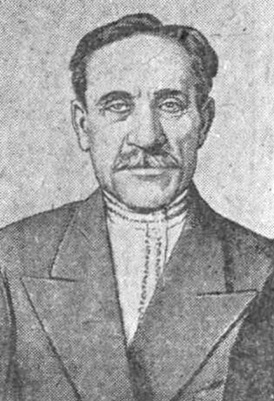
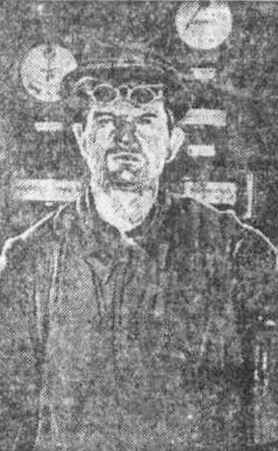
Fig. 3. Head of the KMK blast furnace shop A.F. Borisov, 1940 |
Before the war, the rail-beam shop produced railway rails, beams, and large-section channels. In June 1941, orders for these products fell sharply. It therefore became necessary to integrate the production programs of the rail-and-beam shop and the medium-section rolling shop in order to meet the growing volume of orders from the military industry. From July through September 1941, the rolling mills were reconfigured under the supervision of KMK Chief Engineer L.E. Vaisberg and shop superintendent A.G. Monin, with the active participation of the entire workforce. As a result of these efforts, the shop had begun producing new rolled sections by the end of 1941. On November 24, 1941, the Presidium of the Supreme Soviet of the USSR awarded orders and medals to a group of KMK employees for exemplary fulfillment of the government assignment to supply metal for tank production. KMK Chief Engineer L.E. Vaisberg and Foreman A.N. Tomilin of Open-Hearth Shop No. 2 were awarded the Order of the Red Banner of Labor; G.V. Gurskii, superintendent of Open-Hearth Shop No. 2, and V.D. Smirnov, head of the blooming mill, received the Order of the Red Star; S.I. Pavlovskii, superintendent of the plate rolling shop, and P.D. Nikitin, foreman of Open-Hearth Shop No. 1, were awarded the Order of the Badge of Honor; and the Medal “For Labor Valor” was presented to steelworker I.S. Ushakov, plate rolling mill operator I.P. Maksimov, and other employees.
Under wartime conditions, the plant’s production structure underwent a fundamental reorganization, accompanied by substantial changes in the composition of its workforce. In 1941 – 1942, more than 5,000 KMK employees left for the front. By early 1942, the proportion of women employed in the shops had increased to 32 %, compared with 25 % in June 1941. Women actively replaced the men who had left for the front. At the same time, the workers’ working and living conditions deteriorated considerably: they faced food shortages and longer working hours. Nevertheless, everyone understood the importance of their contribution to the common cause.
Fig. 4. Tappers of blast furnace No. 4, 1944 |
By the end of 1941, pig iron output in the industry had decreased more than fourfold compared with the prewar level, while steel and rolled product output had declined threefold. Consequently, KMK blast furnace personnel had to master the production of pig iron from local iron and manganese ores [9], which had a major impact on the fulfillment of military orders.
The military-economic plan for 1942 provided for an increase in pig iron output to 5 mln t, steel output to 9 mln t, and rolled product output to 6 mln t. In February 1942, the GKO adopted a resolution “On Emergency Assistance Measures for Ferrous Metallurgy,”2 emphasizing the importance of the tasks assigned to the industry. In 1942, Kuznetsk metallurgists were expected to account for approximately 30 % of total Soviet ferrous metal output, which placed enormous demands on them amid severe resource shortages. The first wartime winter was particularly difficult for the plant because the supply of raw materials, fuel, other materials, and equipment deteriorated considerably.
In 1941, the country’s metallurgical industry faced an acute shortage of ferroalloys, including ferromanganese, which was required for the production of armor steel and other alloys. The major manganese ore deposits at Nikopol and Chiatura, which supplied raw materials for approximately 90 % of the Soviet metallurgical industry, were located in occupied territories after the outbreak of hostilities, while the newly discovered deposits in Kazakhstan and the Urals were only beginning to be developed. KMK therefore faced serious difficulties. The Mazul ore used in the blast furnace shop proved unsuitable for ferromanganese production because its manganese content was extremely low, whereas its content of harmful impurities was excessively high.
Amid the acute ferroalloy shortage, the plant management decided to impose strict controls on the consumption of the available resources. In late 1941, a special order was issued prohibiting the use of ferroalloys in the production of iron castings. Minimum ferroalloy consumption rates were established for each steel grade, creating additional difficulties for the metallurgists. Fully aware of the seriousness of the situation, the plant director personally monitored the consumption of the available ferroalloy stocks on a daily basis. Nevertheless, these stocks were being depleted rapidly, and by 1942 the situation threatened to become catastrophic.
In 1942, the plant received a telegram from People’s Commissar I.F. Tevosyan instructing it to begin immediately producing ferromanganese in one of its blast furnaces using the remaining stocks of Chiatura manganese ore. This decision posed a major challenge for the KMK personnel because ferromanganese had previously been produced only in electric furnaces and at specialized ferroalloy plants. The plant had no experience in producing ferromanganese in blast furnaces.
The KMK personnel had to develop a new technology and organize the production of blast-furnace ferromanganese within the shortest possible time. The successful completion of this task would determine whether the plant could fulfill defense orders for steel and rolled products. This demanding work involved not only the personnel of the blast furnace shop but also the plant’s Technical Department and Central Laboratory. The team was headed by A.F. Borisov, superintendent of the blast furnace shop [10]. Engineer A.V. Nemtsov, who had previously worked at one of the southern plants and possessed the necessary expertise and experience, played an important role in developing and implementing the technology. Blast Furnace No. 2 foremen S.E. Boiko, N.S. Martynov, and I.F. Trubko also made an invaluable contribution to the development of the ferromanganese production technology. Their knowledge and production experience accumulated before the war provided the foundation for successfully mastering the new process. By mid-February 1942, the plant personnel had established ferromanganese production. The technology had been successfully mastered, enabling KMK to produce the required quantity of blast-furnace ferromanganese for the defense industry.
By the end of 1942, the stocks of Chiatura ore had been completely exhausted, making it necessary to find a new local source of raw materials. The specialists turned their attention to a small manganese ore deposit located near the village of Durnovo. Intensive mining and deliveries of this ore to the plant began during the winter of 1942–1943. The mine was located at a considerable distance from the railway, and road haulage by truck was the only available means of transportation. Despite the severe weather conditions and the virtual absence of roads, trucks negotiated the difficult terrain. Ore from the Durnovo deposit became a lifeline for the plant, which was on the verge of having to suspend its steelmaking operations. However, the quality of this ore created certain difficulties because it contained a considerable amount of barite compounds, which complicated slag formation in the blast furnace. The technology for processing this ore therefore had to be developed almost from scratch, creating further difficulties amid an already demanding workload. The situation was aggravated by the fact that, during the same period, the blast furnace personnel began mastering the production of low-grade ferrosilicon, which was also urgently required. At the same time, the shortage of steelmaking pig iron made it impossible to convert one of the blast furnaces entirely to ferroalloy production. Ferroalloys therefore had to be smelted in short campaigns lasting five to seven days, alternating with pig iron production.
Abrupt changes in the furnace thermal operating modes significantly impaired its condition. Accretions formed in the shaft and distorted the furnace profile, which, in turn, reduced all technical and economic performance indicators. In April 1942, during the production of foundry pig iron, the average furnace output over a ten-day period was 525 t; by August and September, this figure had fallen to 370 t. Total pig iron output also decreased substantially, which naturally caused concern among the plant management. However, all these losses were negligible compared with the enormous benefit gained from mastering blast-furnace ferroalloy production: the threat of halting the production of metal for defense applications was successfully eliminated. The use of blast-furnace ferrosilicon was a temporary but necessary solution under the circumstances. In September 1941, a 10-ton electric furnace in the foundry shop was converted to ferroalloy production. This enabled the plant to obtain the necessary materials until a more reliable solution to the raw material supply problem could be found.
The delivery of quartzite from the Antonovskoye deposit, located 450 km from KMK, was also accompanied by serious difficulties caused by inadequate transport infrastructure. In 1942, a new quartzite deposit at Chugunash was explored. It was located much closer to the plant and near the railway line connecting Stalinsk and Tashtagol. The decision to bring the mine into operation represented a major breakthrough because it substantially reduced the distance over which the raw materials had to be transported. The new source of raw materials met the requirements of both KMK and the Kuznetsk Ferroalloy Plant, which soon produced its first batch of ferrosilicon. By that time, construction of the Dzhezdy manganese mine in Kazakhstan and the Polunochnoye mine in the Urals had been completed, making it possible to secure the required supply of manganese ore.
At the same time, the internal reserves for increasing armor plate output at the KMK plate mill had been virtually exhausted. This became a serious problem because tank production had to be increased [11]. In June 1941, a proposal was made to use the 900 mill of the rail-beam shop for armor plate rolling. However, there were concerns that this mill would not be able to produce armor plate of the required quality. Armor plate production required compliance with specific process standards, one of which was rolling by the “corner” method. This method involved deforming the ingot in different directions, thereby changing the longitudinal orientation of the metal crystals and increasing its resistance and toughness. The roll barrel of the 900 mill was too short to implement this technology.
Under these conditions, a group of experienced rolling mill specialists, including S.E. Liberman, A.G. Monid, G.V. Sharov, and others, conducted a series of tests under the supervision of Chief Engineer L.E. Vaisberg. The results demonstrated that armor plate of the required quality could be produced by longitudinal rolling. At the same time, a combined roll pass design was developed for the roughing stand of the rail-beam mill. This innovation made it possible to roll armor plate and other sections without changing the rolls, which considerably simplified the production process. This achievement was due in large part to rollers P.D. Belikov and Ya.M. Karmanov, operator A.M. Mikhailova, and other shop specialists, who made a substantial contribution to mastering the new rolling technologies. The production of sized armor strip was subsequently introduced at the 900 mill, substantially reducing metal waste and improving production efficiency. These innovations represented an important step toward supplying the front with high-quality armor rolled products, which was critically important under wartime conditions. In 1943, a group of engineers received the State Prize for mastering armor plate rolling at the rail-beam mill. This recognition was not only a reward for their work but also confirmation of the importance of what had been accomplished under conditions in which every ton of high-quality armor plate was vital to the front.
At the beginning of 1942, operating metallurgical plants encountered serious difficulties in securing the refractory materials required for metal production. Under these conditions, the KMK fireclay-and-silica refractory shop repeatedly failed to meet the refractory clay supply schedule [12]. In mid-1942, work began to expand the capacity of the refractory shop in order to address these problems. One of the main technological difficulties faced by the metallurgists was firing clay to produce chamotte. The shaft kilns then in use were obsolete and had low productivity, resulting in poor-quality chamotte. Before the war, plans had been developed to construct more modern rotary kilns for calcining dolomite. The new kiln was first tested in July 1942. The launch of calcined dolomite production resolved the problem of supplying steelworkers with high-quality refractory materials that could now be produced from local raw materials. This innovation nearly doubled the output of fireclay products. KMK was one of the first plants in the industry to master the firing of clay for chamotte production in rotary kilns, demonstrating the innovative approach adopted by the Kuznetsk metallurgists. To expand the production capacity for refractory fireclay bricks, the old brickworks was rapidly reconstructed and converted into a new refractory shop, which became an important component of the plant’s production process.
Under wartime conditions, steel quality requirements became more stringent, while production difficulties were aggravated by the cessation of supplies of the high-quality clay required to manufacture graphite–fireclay stopper heads. This clay was mined in the Donbas, and by September 1941, KMK’s stocks of clay from the Chasov Yar deposit were nearly exhausted. The graphite supplied for stopper head production had a high ash content, jeopardizing the fulfillment of the production plans. The metallurgists began searching for new charge components and succeeded in replacing the scarce Chasov Yar clay with a high-alumina mineral known as andalusite. Stoppers made from the new raw material were produced in July 1942 and demonstrated satisfactory performance. The stopper production section was headed by engineer E.F. Belyaev, while engineer N.B. Benediktova served as foreman. The Kuznetsk metallurgists continued to use andalusite stopper heads for the next two years [13].
In 1942, an extremely difficult situation developed in the coke and by-product shop and required immediate action. The coke-oven batteries, which were essential elements of the production process, required major repairs. However, the plant did not have sufficient quantities of the shaped silica bricks needed for this work. The refractory plant in Pervouralsk was still under construction and was not yet able to supply the required products. Under extremely difficult conditions and without modern equipment, the refractory shop personnel, led by specialists such as N.G. Shulgin, N.N. Pereverzev, and A.A. Miroshnichenko, mastered refractory production within a very short period. As a result, refractory output increased by 30 % compared with 1941. The achievements of the refractory workers played an important role in ensuring the uninterrupted operation of both the coke and by-product shop and the steelmaking shops.
The commissioning of the mechanical shops introduced a new and extremely important field of production at the plant: metalworking. This development led to a sharp increase in demand for cutting and measuring tools, while external supplies of such products had almost completely ceased, causing machine tools to remain idle. Attempts were made to manufacture tools within the shops themselves, but the largely makeshift products were of poor quality and quickly failed.
In late 1941, several enterprises in the region transferred more than 80 metal-cutting machine tools to KMK in order to stabilize the situation. The People’s Commissariat of Ferrous Metallurgy allocated another 30 machine tools from its special reserve. These measures represented an important step toward restoring the plant’s production complex. Additional resources were secured for the construction of a new tool shop and the installation of the necessary equipment. The tool shop began production in February 1942 and became the principal supplier of tools for special-purpose production and the plant’s repair and mechanical shops. The new shop included precision tooling, heat-treatment, and forging sections, as well as an inspection and metrology laboratory, which enabled the quality of all types of tools produced to be monitored.
The engineers and managers of the mechanical shops contributed considerable effort and expertise to organizing the production of equipment for the front. These specialists included N.A. Nikitin, N.A. Tsirul’kov, A.I. Kozlov, L.K. Kovtun, M.D. Solonin, M.A. Panasenko, M.F. Ponomarev, V.K. Lanin, L.Ya. Matusevich, A.G. Ivanov, D.I. Kuznetsov, and others. They played a key role in coordinating the work required to fulfill defense orders. Invaluable assistance was also provided by researchers from the Siberian Metallurgical Institute, including N.M. Kunitsyn, E.Kh. Shamovskii, V.Ya. Zarvin, Yu.V. Grdina, and others, who possessed substantial theoretical knowledge. Their contribution was extremely important in solving technical problems and introducing new technologies into production processes, thereby improving product quality.
The need to carry out large-scale work at the plant created serious difficulties for the management because of shortages of materials and equipment. This made it particularly difficult to provide the mining enterprises under KMK’s supervision with the necessary resources. One of the most acute problems was the shortage of mine-support timber, explosives, and calcium carbide, all of which were essential for the normal operation of the mines. Because access to these materials was limited, the plant management could not guarantee adequate material and technical supplies. This threatened the stable operation of the mines and, consequently, ore production. To prevent a decline in output, the mine personnel decided to establish their own production of the scarce materials.
Fig. 5. Steelworker F. Ryabov, 1944 |
High-speed steelmaking continued to develop. On average, each heat of armor steel took four hours longer than a conventional heat. This meant that wider adoption of high-speed steelmaking offered considerable potential to increase metal output. The best results were achieved by foremen and steelworkers who not only mastered the finer aspects of the technology but were also able to minimize the time required at every stage of the production process (Fig. 5). Their skill and ability to conduct heats under difficult conditions enabled them to achieve impressive results. These specialists included A.Ya. Chalkov, M.V. Burkatskii, N.I. Negoda, and N.I. Lutov [14], as well as foremen M.M. Privalov, A.N. Tomilin, and P.D. Nikitin. Owing to their dedicated work, the country received an additional 3,500 t of steel in April 1942. During the first half of May 1942, the blooming mill crew, led by engineer G.I. Eromolaev and senior operator M.A. Merkulov, increased average rolled product output per hour of hot rolling to 315 t; on some days, this figure reached a record 340 t. This was a remarkable achievement in the history of the blooming mill. In the medium-section rolling shop, senior rollers T.S. Sukhov, P.P. Lyashenko, and I.L. Khodorovskii also achieved outstanding results, fulfilling 115 – 120 % of their production quotas. In May 1942, Foreman M.M. Privalov produced more than 1,640 t of steel above the established target, while steelworker G.N. Averkin produced an additional 375 t. These achievements were made possible by the coordinated efforts of the workforce and the commitment of every employee to improving production efficiency (Figs. 6, 7).
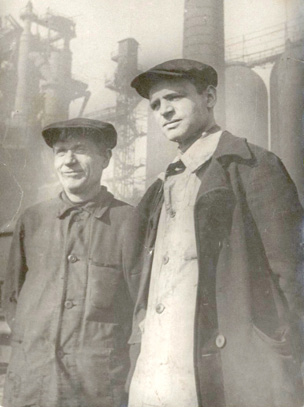
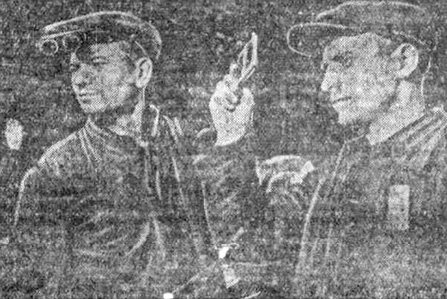
Fig. 6. The best steelworker F. Lyakhov and master M. Privalov, 1943
Fig. 7. The best steelworker E.V. Lyakhov, 1943 |
To meet the growing requirements of the defense industry, the plant personnel steadily increased the output of alloy steel grades and rolled products, including the critically important product of tank armor. Steelworkers specializing in high-speed heats made every effort to reduce heat times despite the complexity and labor intensity of alloy steel production. Each worker sought to contribute to the common cause, understanding that the success of their work directly affected the country’s defense capability.
In September 1942, the medium-section rolling shop received a particularly important assignment that required both a high level of responsibility and rapid execution. A military plant manufacturing BM-13 rocket launchers (Katyushas) placed an order for the urgent development of a technology for rolling beams of a new section. The assignment was critically important under wartime conditions, and its successful completion could have a significant effect on the situation at the front. On November 5, 1942, the customer plant reported that it had received the first batch of rolled products, demonstrating that the work had been completed on time and to the required quality.
All these achievements were attained amid substantial changes in the composition of the plant’s workforce, with 50 – 60 % of personnel being replaced. This was associated with the commissioning of new shops and the expansion of production. A total of 1,250 employees – more than 23.5 % of the plant’s workforce – left the plant after being mobilized into the Workers’ and Peasants’ Red Army (RKKA) or volunteering for the front (Fig. 8). This demonstrated the population’s strong patriotic commitment and readiness to defend the country [15]. Graduates of vocational schools and trade schools accounted for a substantial proportion of the new personnel – more than 34 %. By the end of 1942, women constituted 38% of the plant’s workforce, while young people under the age of 18 accounted for 17 %. The mass influx of new employees presented the management with new personnel training challenges. New workers had to be rapidly prepared to perform their production duties and maintain high labor productivity under wartime conditions. Training was organized at the plant for more than 9,000 people.
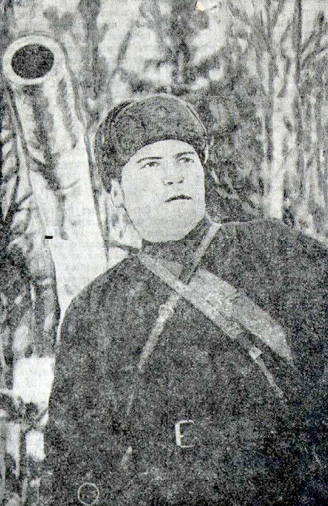
Fig. 8. KMK worker I.G. Savochkin at the front, 1941 |
One of the key factors affecting the high productivity of blast furnaces is their stable operation. Engineers V.I. Kominov and V.M. Zudin of the Technical Department proposed separating the 25 – 40 mm fraction from the bulk coke and charging it separately. This method substantially improved the gas permeability of the burden, thereby promoting more stable furnace operation and increasing productivity. Beginning in 1943, periods of reduced-blast operation were systematically shortened at all blast furnaces, which also contributed to greater production efficiency. As a result of these measures, the production targets were exceeded at every furnace.
However, the linings and shells of the blast furnaces were in an extremely worn condition owing to prolonged operation, while the difficult wartime situation prevented the necessary major repairs from being carried out. By mid-1944, the situation had become extremely serious, particularly at Blast Furnace No. 4. On the night of June 5, 1944, a major shell breakout occurred at this furnace, producing a large crack through which approximately 700 m3 of red-hot burden was discharged into the shop. Owing to the prompt actions of the workers, the resulting fire was contained relatively quickly, preventing damage to the electrical equipment and machinery. The blast furnace was restored within an exceptionally short period and returned to operation later that same month. In late autumn 1944, Blast Furnace No. 4 was shut down for a major overhaul. The overhaul was completed in only 35 days, although 45 days had initially been scheduled. During 1944, major and intermediate repairs were also carried out on Blast Furnaces Nos. 1 and 2, further demonstrating the heavy loads and difficult operating conditions to which the furnaces were subjected. As a result of these measures, the annual production target was fulfilled at 104 %.
As steel output increased, all rolling shops had to raise their production rates and accelerate mill operation. By 1943, it had become evident that the existing blooming mill capacity was insufficient to process the volume of metal arriving from the open-hearth shops. Consequently, as much as 3,500 t of ingots accumulated in storage during January and February 1943. One of the principal reasons was the specific armor steel rolling technology, which required particular processing conditions. To produce high-quality armor plate, the ingots had to be heated slowly and rolled at the lowest possible temperature. This substantially reduced the throughput of the soaking pit section and the overall productivity of the blooming mill. The low finishing temperature specified by the technology created additional difficulties because the slab could not be cut using the mill shears. Instead, it had to be cut manually with oxy-fuel torches, which further slowed the process and increased labor requirements. Following numerous tests, a new technology was developed that provided for accelerated heating and a higher armor steel rolling temperature. The new technology not only ensured the required quality of the rolled products but also substantially increased blooming mill productivity. In 1943, the commissioning of rolling mills evacuated from Dneprospetsstal’ provided the rolling shops with additional capacity. Installation of the new 750, 450, and 360 mills began in September 1942, and all of them had been commissioned by the summer of 1943.
The commissioning period began in April 1943. Although the reheating furnaces were still undergoing drying, testing of the 750 mill mechanisms commenced immediately to avoid any loss of time. Many engineers and technical specialists arrived from Zaporozhye, but almost all the workers had to be recruited and trained on site. Soon after the 750 mill was commissioned, the 500 mill also entered operation. In September 1943, the last of the evacuated rolling mills, the 360 mill, was commissioned. During the same period, the production of sized strip was mastered at the rail-beam mill, substantially simplifying the work of tank manufacturers. In 1943, the rolling mill personnel increased metal output by 75,000 t compared with 1942. In 1944, output increased by a further 170,000 t compared with the 1943 level. This growth continued in 1945.
Conclusion
During the initial stage of the Soviet Union’s confrontation with European Nazism, the plan for evacuating industry from regions that were soon to come under occupation played a key role. As war approached, it became necessary not only to preserve production capacity but also to adapt heavy industry, including ferrous metallurgy, to wartime requirements. Under these circumstances, it was decided to use the resources of the Kuznetsk Metallurgical Plant, which was to provide the foundation for launching new production facilities. The evacuation and restoration of production capacity proved extremely difficult and required not only extensive technical expertise but also a high degree of organization. This applied both to the successful transportation of the equipment and to its subsequent installation, adjustment, and commissioning at the new sites. Some of the evacuated equipment required major repairs and modification. Missing assemblies and components had to be manufactured anew, further complicating an already difficult process. At the same time, the transition to new metal product ranges required the development of fundamentally new technologies, which was successfully accomplished. Changes in the production structure affected the principal technological processes and contributed to more efficient resource utilization and higher productivity.
While commissioning the evacuated equipment, the plant personnel achieved significant success in ferromanganese production, which made it possible to increase output substantially. Another important achievement was the introduction of a combined roll pass design for the roughing stand of the rail-beam mill. This innovation enabled higher-quality rolling of armor plate. The achievements of the refractory specialists played an important role in ensuring the stable operation of both the coke and by-product shop and the steelmaking shops. The commissioning of new mechanical shops, whose products were required to meet the needs of the front, led to the emergence of a new and important field of production at the plant – metalworking. This not only diversified the plant’s product range but also improved its overall operating efficiency.
1. Well-deserved reward. Bol’shevistskaya stal’. 1945;(183):1. (In Russ.).
2. Novokuznetsk – a City of Labor Valor. Compiled by P.P. Lizogub. Novo-Kuznetsk: Lotus Press; 2021:168. (In Russ.).
3. Berlin A.B. Novokuznetsk in a Soldier’s Overcoat: In the Year of the 50th Anniversary of the Great Victory, dedicated to the Younger Generation of Novokuznetsk Residents. Novokuznetsk: Kuznetskaya krepost’: Soyuz pisatelei; 1995:297. (In Russ.).
4. Tresvyatskii L.A., Protopopov E.V., Umanskii A.A., Khudoleev A.N. Kuznetsk armor: The first frontiers of victory. Izvestiya. Ferrous Metallurgy. 2025;68(2):112–121. (In Russ.). https://doi.org/10.17073/0368-0797-2025-2-114-123
5. Berzon E.S., Volobuev V.I., Gol’denberg E.A., Litvinenko E.M., Oblomskii Ya.A., Pavlyutkin S.P., Tumanov P.N., Filippov S.M., Shapiro L.V. Rolling Mills of the USSR. Moscow – Leningrad: Metallurgizdat; 1940:646. (In Russ.).
6. Shpringer A.E. The Forgotten Heroes of Kuznetskstroi. Novokuznetsk: Information and Analytical Center; 2024:240. (In Russ.).
7. Dokuchaev G.A. The Siberian Rear in the Great Patriotic War. Novosibirsk: Nauka, Siberian Branch; 1968:322. (In Russ.).
8. The completed march plan. Bol’shevistskaya stal’. 1942;(39):1. (In Russ.).
9. Accelerating the production of high-quality steels. From a conversation with Weisberg, chief engineer of the Kuznetsk Metallurgical Plant. Bol’shevistskaya stal’. 1942;(5):2. (In Russ.).
10. The Great Patriotic War 1941–1945: Encyclopedia. Kozlov M.M. ed. Moscow: Sov. Entsiklopediya; 1985:832. (In Russ.).
11. Bardokin R.E. Kuznetsk Arsenal: Monuments of Military Equipment in Novokuznetsk. Novokuznetsk: Zerkalo; 2023:192. (In Russ.).
12. Sorokin I. We will continue the competition. Bol’shevistskaya stal’. 1942;(30):1. (In Russ.).
13. Polyanskaya E.M., Susakin G.N., Shparog Yu.A., etc. The History of the V.I. Lenin Kuznetsk Metallurgical Plant. Moscow: Metallurgiya; 1973:462. (In Russ.).
14. Chalkov A.Ya. In the Years of Thunderstorm. In: The Steel Heart of Siberia. Titov A.M. ed. Kemerovo: Kemerovo Book Publishing House; 1982:128–134. (In Russ.).
15. Nosov N. Soldiers of the Rear. In: The Steel Heart of Siberia. Titov A.M. ed. Kemerovo: Kemerovo Book Publishing House; 1982:138–146. (In Russ.).
Lev A. Tresvyatskii, Dr. Sci. (Cultural), Assist. Prof., Prof. of the Chair of Social and Humanitarian Disciplines
42 Kirova Str., Novokuznetsk, Kemerovo Region – Kuzbass 65404307, Russian Federation
Evgenii V. Protopopov, Dr. Sci. (Eng.), Prof. of the Chair of Ferrous Metallurgy and Chemical Technology
42 Kirova Str., Novokuznetsk, Kemerovo Region – Kuzbass 65404307, Russian Federation
Aleksei N. Khudoleev, Dr. Sci. (Historical), Assist. Prof., Prof. of the Chair of History and Social Sciences
23 Tsiolkovskogo Str., Novokuznetsk, Kemerovo Region – Kuzbass 654007, Russian Federation
Valentina E. Khomicheva, Cand. Sci. (Psychological), Assist. Prof., Head of the Chair of Physical Culture and Sports
42 Kirova Str., Novokuznetsk, Kemerovo Region – Kuzbass 65404307, Russian Federation
Tresvyatskii L.A., Protopopov E.V., Khudoleev A.N., Khomicheva V.E. Contribution of the Kuznetsk Metallurgical Plant to the USSR defense complex in 1941 – 1945: Analysis of development and modernization. Izvestiya. Ferrous Metallurgy. 2026;69(3):231-241. https://doi.org/10.17073/0368-0797-2026-3-231-241
 Email this article (Login required)
Email the author (Login required)
Email this article (Login required)
Email the author (Login required) Publishing House of National University of Science and Technology "MISIS"
4, Leninskii prospekt, Moscow, 119991, Russia
Phone: +7 (495) 638-44-11, +7 (495) 784-58-66
E-mail: fermet.misis@mail.ru